Copper Peptides in Skincare, Explained Simply
What copper peptides (Copper Tripeptide-1) actually do for the look of your skin, who suits them, and how to add one to a routine.
What copper peptides are
A peptide is a short chain of amino acids, the same building blocks that make up the proteins in your skin. Copper Tripeptide-1 is the most famous of them: three amino acids (glycine, histidine and lysine) bound to a copper ion. That copper ion is what gives serums their unmistakable blue tint, and it is why you will hear the ingredient called simply a copper peptide.
Copper Tripeptide-1 has been studied in cosmetic science for decades, which is rare for a skincare active. On an ingredient list you will see it written as Copper Tripeptide-1, sometimes alongside its older lab shorthand. If a product only says "peptide complex" with no INCI name, you do not really know what you are buying, so we would keep looking.
One thing copper peptides are not: an overnight ingredient. They belong to the slow-and-steady family of actives, closer to niacinamide than to an exfoliating acid. The payoff is that they are gentle enough for daily use, morning and night, all year round.
What they do for the look of skin
Copper Tripeptide-1 is a skin-conditioning ingredient, and in a well-made formula the difference you are looking for is in the mirror: skin that looks firmer, feels smoother, and has that even, rested quality that makeup sits well on. People often describe the change as their skin looking "bouncier" or more awake rather than any single dramatic difference.
It is also a favourite for the appearance of fine lines. Used consistently, a copper peptide serum or cream supports a smoother-looking surface, so light reflects more evenly and small creases are less noticeable. Pair it with daily sunscreen and a decent moisturiser and you have covered the fundamentals of an appearance-focused routine.
Expectations matter. Cosmetics work on how skin looks and feels, and results vary from person to person. Give a copper peptide eight to twelve weeks of daily use and judge it on photos taken in the same light, not on a day-three glance in a bathroom mirror.
Who suits a copper peptide
Almost anyone can use one, which is part of the appeal. If your priority is firmer, smoother-looking skin and you want an active that will not leave your face flushed or flaky while you adjust, copper peptides are one of the friendliest places to start. They suit people in their twenties building a first "proper" routine just as well as people managing the look of ageing skin.
They are also a common pick for skin that looks reactive. Copper Tripeptide-1 is generally considered gentle, and formulas built around it usually skip the usual irritants. As with any new cosmetic, patch test first: a little on the inner forearm, once a day for a few days, before it goes anywhere near your face.
Adding one to your routine
The simplest pattern: cleanse, apply your copper peptide serum to dry skin, wait a minute, then moisturise. In the morning, finish with sunscreen. That is the whole routine, and honestly it is enough for most people.
If you already use vitamin C or strong exfoliating acids, keep them in the opposite part of the day to your copper peptide. The cautious convention is vitamin C in the morning and copper at night, so each formula gets to work as designed. Retinol users can alternate nights, or run peptides in the morning and retinol in the evening. We cover the full layering logic in how to layer peptide skincare.
Choosing a serum or cream
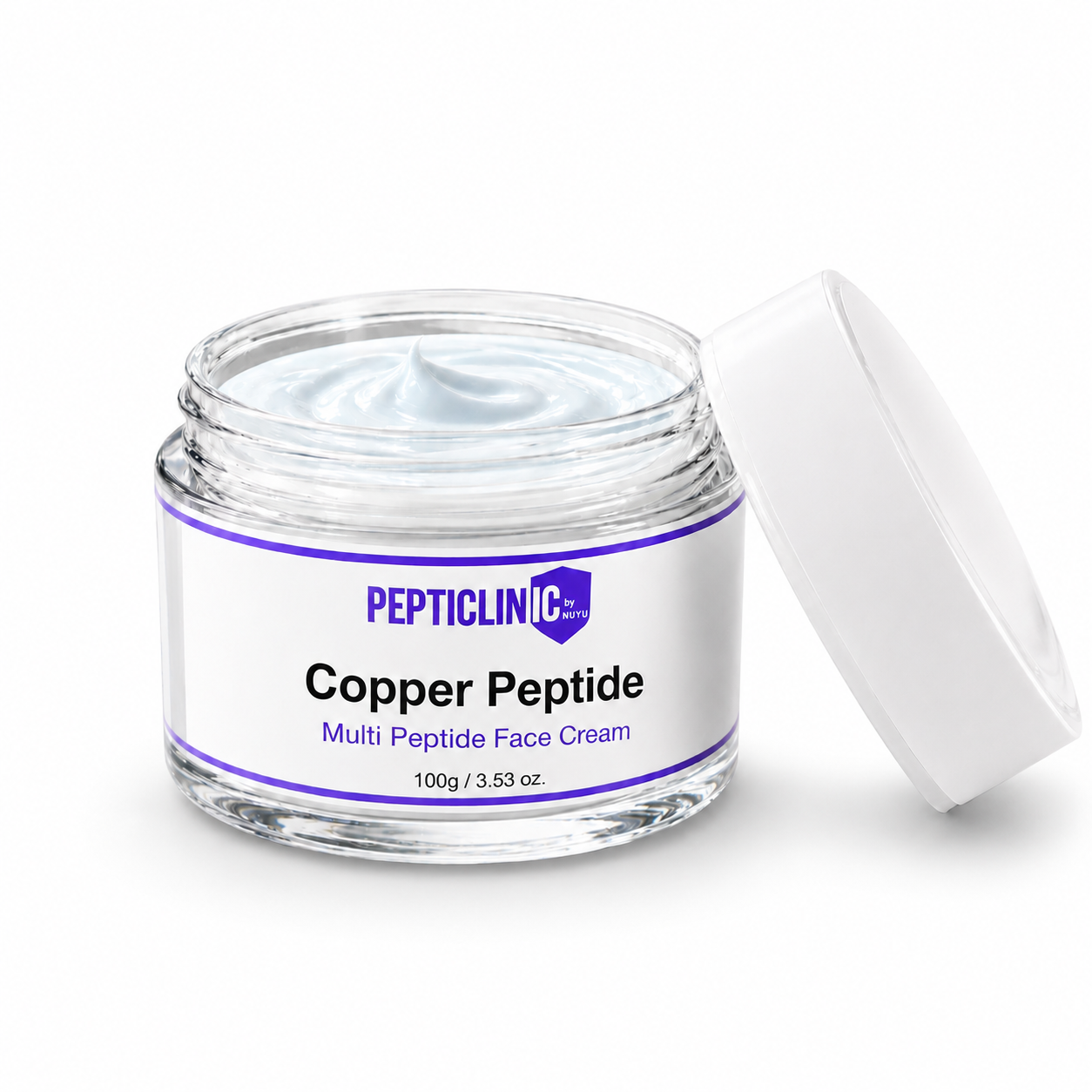
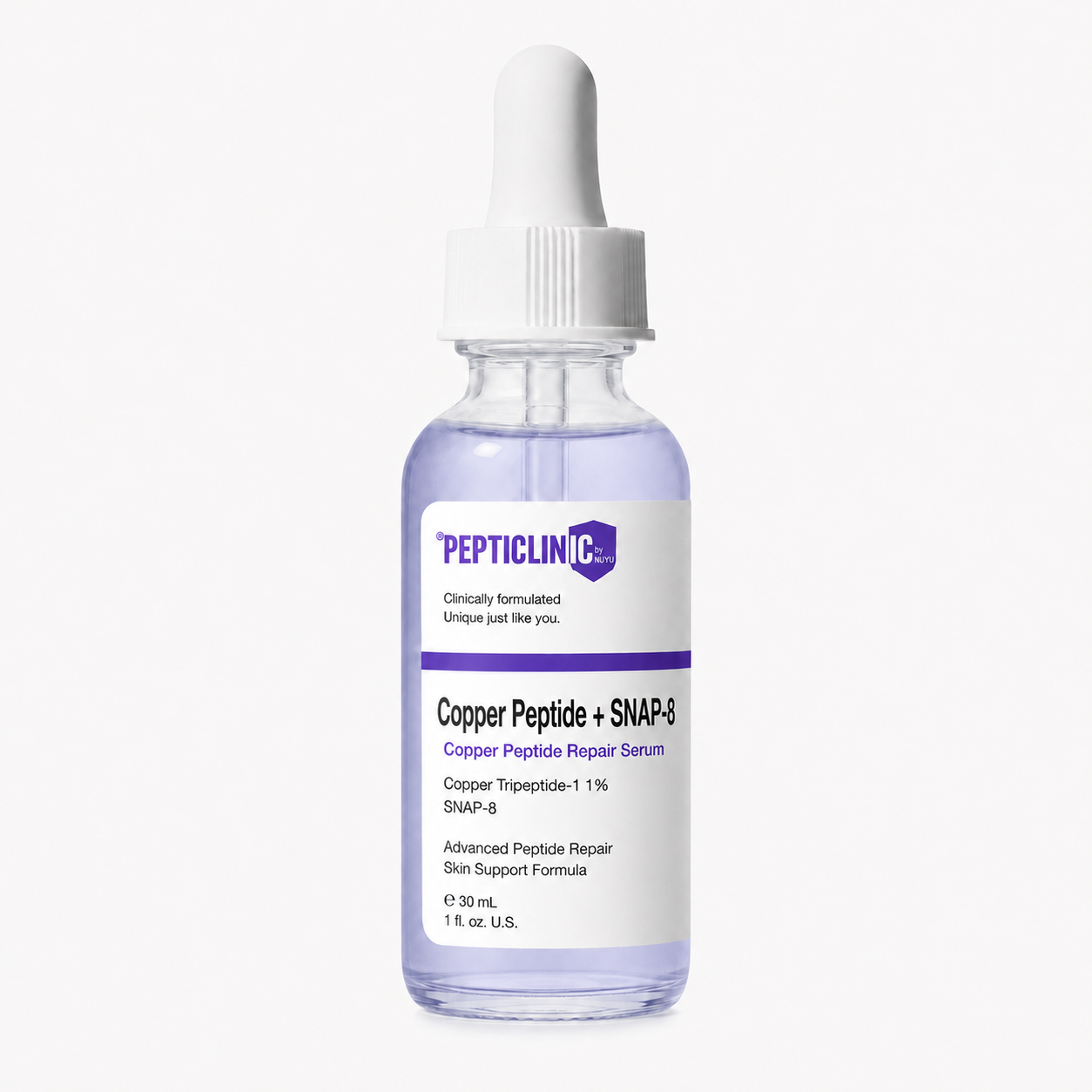
Look for Copper Tripeptide-1 named in full on the INCI list, ideally near the top third. A serum gives you the most flexible format for layering; a cream suits people who want one product that conditions and moisturises in a single step. A soft blue tint is normal and comes from the copper itself.
Beyond the headline peptide, scan the supporting cast. Humectants like glycerin or hyaluronic acid keep skin looking plump, niacinamide is a well-mannered partner for an even-looking tone, and a short ingredient list is usually a good sign for skin that looks reactive. For a deeper look at every name on the label, see the ingredient glossary.
Frequently asked questions
What do copper peptides do for skin?
Copper Tripeptide-1 is a small copper-binding peptide used in serums and creams for the way skin looks and feels. With consistent use, people typically use it for a firmer, smoother, more radiant look. It is a cosmetic ingredient, so results are about appearance and vary from person to person.
Is Copper Tripeptide-1 the same as a copper peptide?
Yes. Copper Tripeptide-1 is the specific ingredient name you will see on an INCI list, and "copper peptide" is the everyday name for it. If a label lists Copper Tripeptide-1, you are looking at the classic blue copper peptide.
How long until I notice a difference?
Cosmetic peptides reward consistency. Most people give a new serum 8 to 12 weeks of daily use before judging how their skin looks, because surface renewal takes time and photos are a fairer judge than the mirror.
Can sensitive skin use copper peptides?
Copper Tripeptide-1 is generally considered gentle and is often chosen by people whose skin looks reactive. As with any new cosmetic, patch test on the inner forearm for a few days first and introduce it slowly alongside a simple routine.